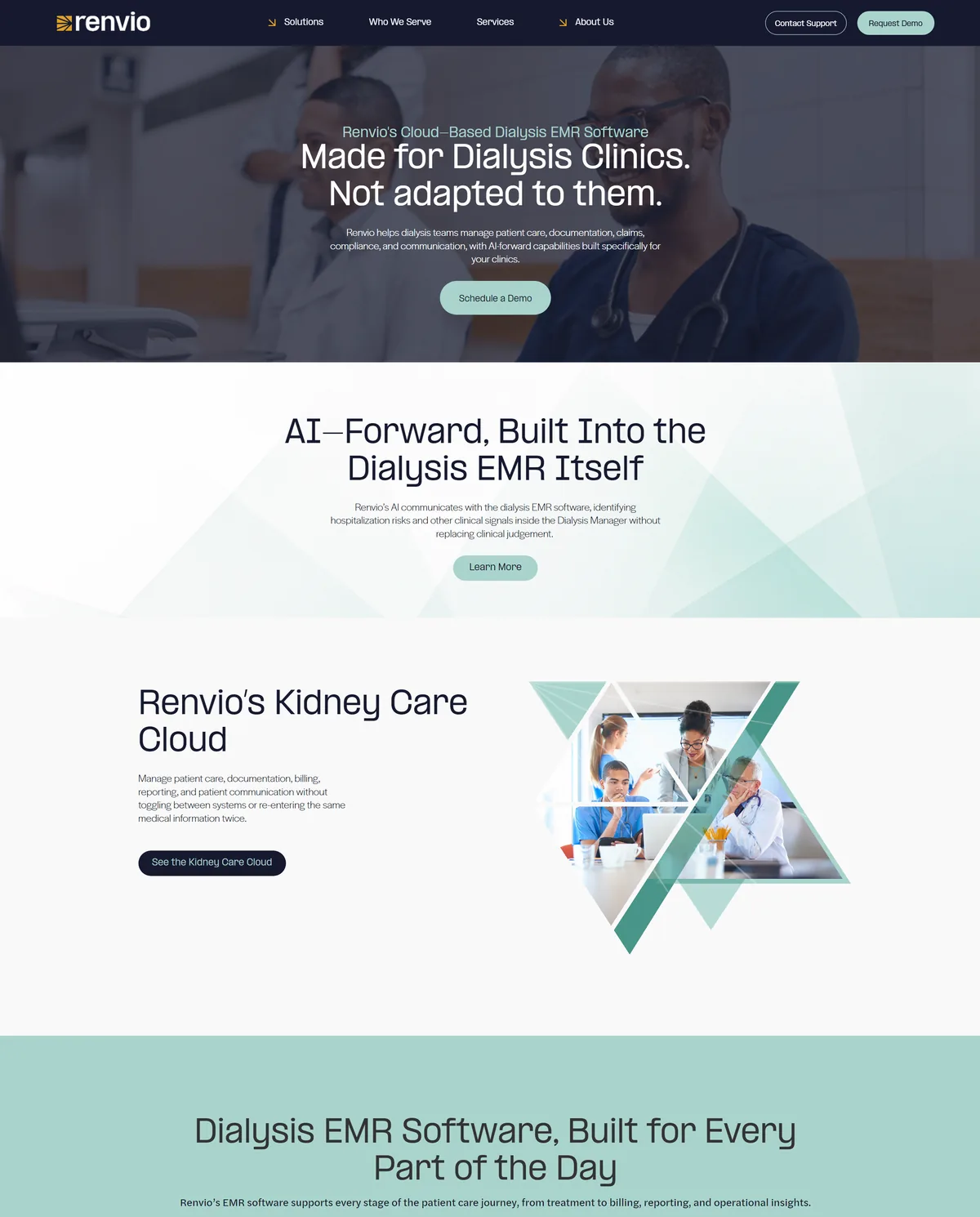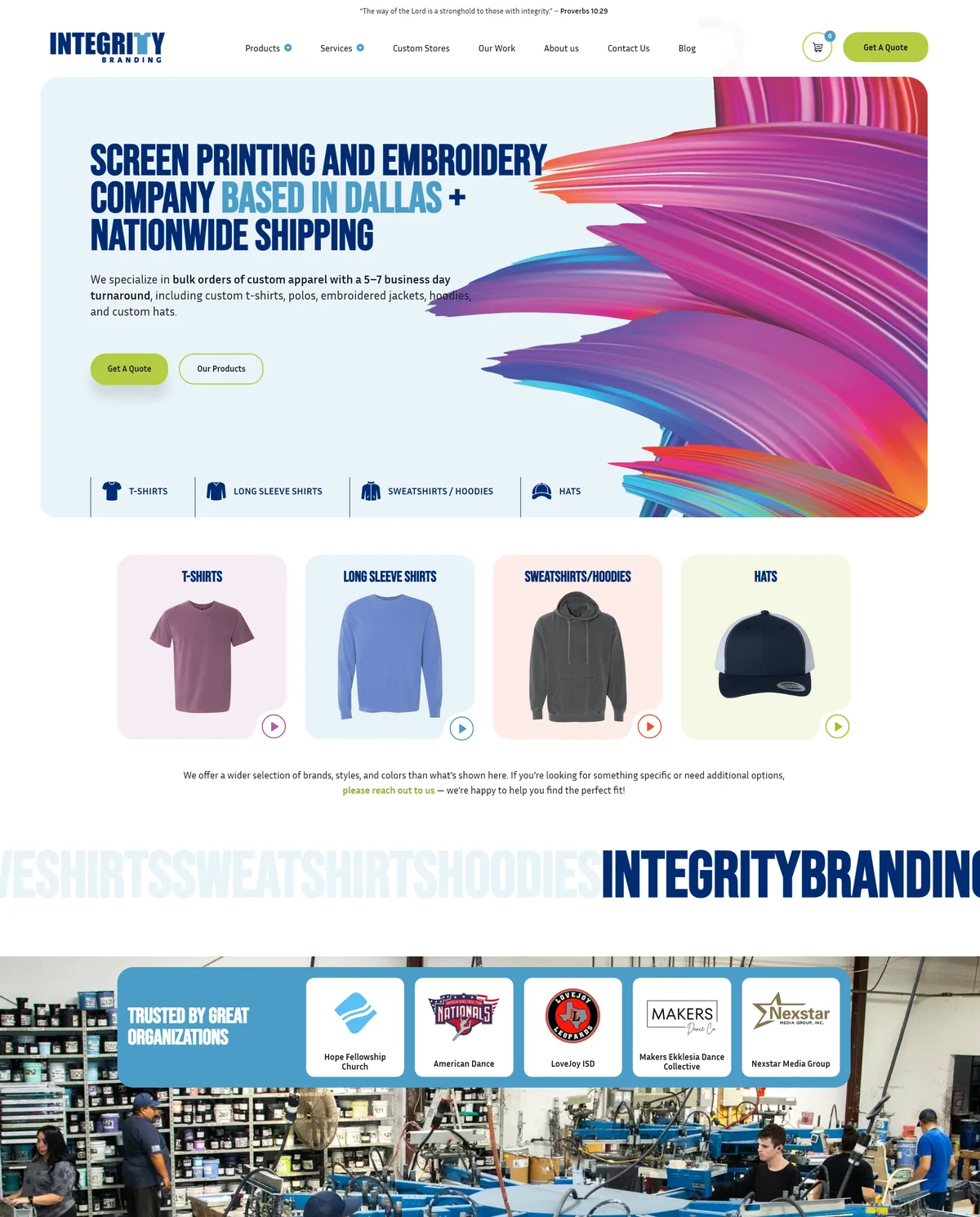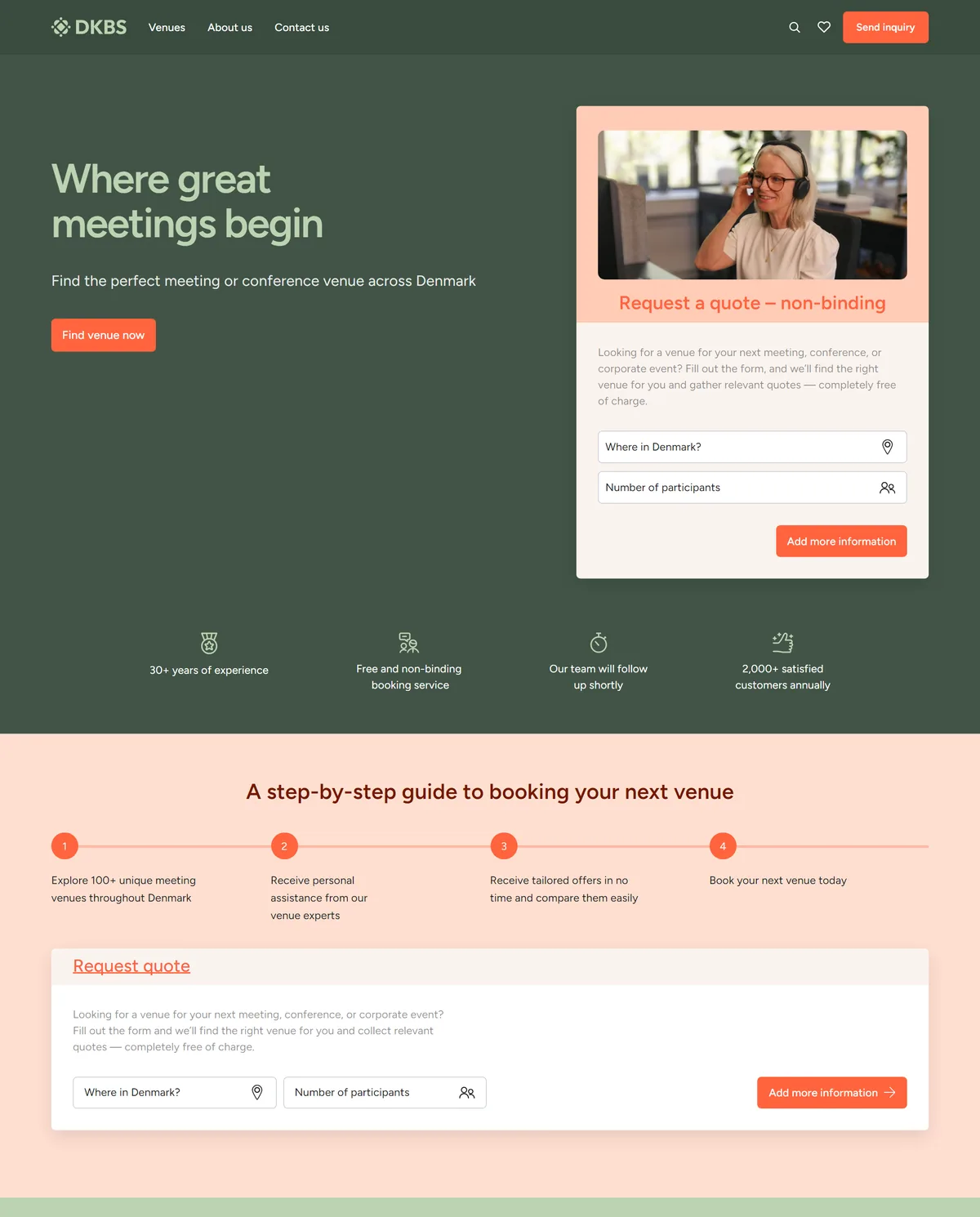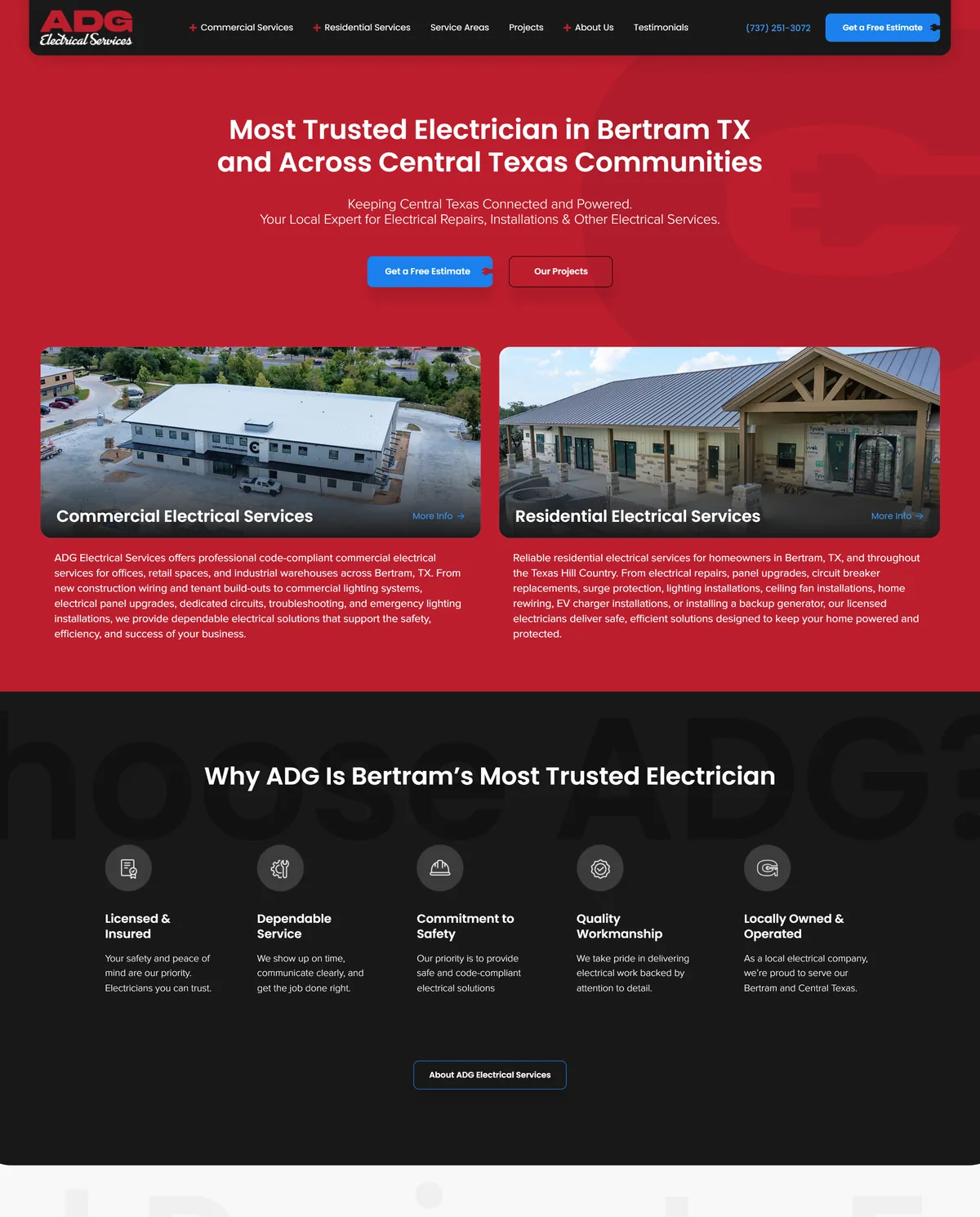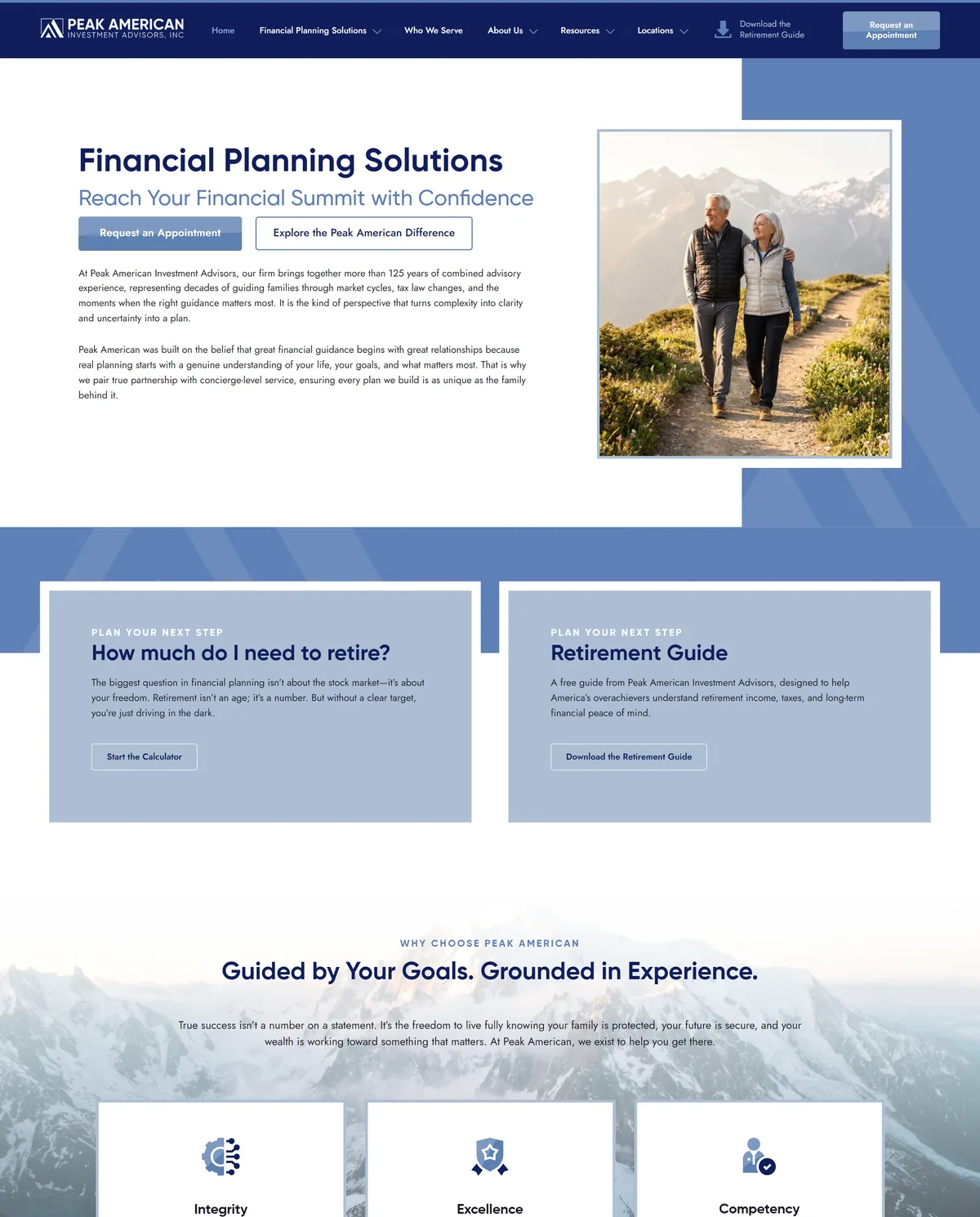

We specialize in custom WordPress theme development tailored to your brand, delivering responsive, mobile-friendly websites that look great on all devices. Our expertise includes full integration with Elementor Pro and the theme builder, enabling flexible, user-friendly design. We also connect your site with third-party services through seamless API integrations. Every site is optimized for speed, performance, and search engine visibility to help you rank higher and load faster.
A checkout is the one page on a store that anyone on the internet can submit to, repeatedly, for free, which is exactly why card-testing bots live there. Because most captcha plugins only hook the classic checkout form, they stop working the moment a store switches to the WooCommerce Checkout block. That block does not submit a form at all. It posts JSON to the Store API, and a plugin listening on woocommerce_checkout_process never sees the request. The route stays open even on stores whose visible checkout still uses the classic shortcode, so a bot does not need your checkout page. It only needs the route.
Rather than ship another captcha checkbox, we built the scanner first. Checkout Bouncer opens the store, works out how the checkout is actually rendered, and reports back in plain English. It recognises the Checkout block, the classic shortcode, and layouts built in Elementor, Divi, WPBakery, Beaver Builder, Bricks or Oxygen by looking inside the builder’s own saved layout. It resolves the Store API route, the pay-for-order page and the add-payment-method endpoint, and it hunts down rogue duplicate checkout pages left behind by theme demos and staging copies. Every route it finds carries a severity and a one-click Protect or Block.
The complication was that not every route can carry a token. reCAPTCHA needs somewhere to attach one, and a Store API route hit directly on a store that checks out through the classic form has nowhere to put it. So the plugin registers proper Store API extension data where a token can travel with the order, and where it structurally cannot, it offers to return a 404 or a 403 for that route instead. Store staff and allowlisted addresses are always let through. Detect, protect, block, in that order.
Around that sits a gateway-agnostic order-rate throttle with a monitor mode that records without blocking, an events dashboard with seven-day statistics and CSV export, per-gateway targeting, an IPv4, IPv6 and CIDR allowlist, and fail-open handling so a Google outage does not become the store’s outage. Client addresses resolve from REMOTE_ADDR only unless a filter explicitly opts into a proxy header, so an allowlist entry cannot be reached with a spoofed one. Logging is anonymised throughout: hashed throttle buckets, salted email digests and a daily retention purge.
The result is a WooCommerce reCAPTCHA plugin that treats a checkout as a set of routes rather than a single page, and closes each one on its own terms. We also designed and built the Checkout Bouncer product site and its custom WordPress theme.
For a related caching problem on WooCommerce, see how we fixed a YITH quote counter stuck behind WP Engine cache.
Checkout Bouncer is our own free WooCommerce security plugin on WordPress.org, and this is the WooCommerce plugin website that sells it. Because the people landing on it arrive mid-incident, annoyed and already sceptical of security plugins that promise everything, the usual playbook of shields, threat language and a dashboard floating at fifteen degrees would have read as more noise from the same crowd. Rather than dress it up, we built a purpose-made classic WordPress theme around one idea borrowed from the product itself: a checkout is a door, and this page is the door and its entry-control equipment. Painted steel ground under a single entry lamp, brushed plates with hairline edges, lettering engraved into the panel, verdicts stamped in matte rose rather than glowing.
The complication was that we had nothing conventional to prove the claim with. No install counts, no star ratings, no testimonials, because the plugin had only just launched, and inventing them was never an option. So the hero shows the product doing its job instead: a live example of scanner output listing six routes an order can enter a store through, three protected, two open, one blocked. The proof is the mechanism, not a logo wall.
The build replaced a third-party Extendable block theme with a lean bespoke one. Every page is authored in the block editor, so content can be edited without going near a template, while the theme itself stays classic and light. Every colour is a token declared once at :root, the fonts are self-hosted rather than pulled from Google, and there is no gradient decoration, no glass and no glow anywhere in it. The one radial light source in the hero is the entry lamp, because that is part of the stated world rather than decoration.
The site does more than sell. It carries full product documentation with search across it, so someone hunting a specific setting lands on the right page instead of scrolling a wall of text. We also built a support ticket system into the site, so a store owner can raise an issue and attach the detail we actually need to answer it, rather than opening a forum thread and waiting.
Those forms are exactly the kind of open, public target the product exists to defend, so we protected them the same way the plugin protects a checkout: Google reCAPTCHA v3 scoring every submission in the background, backed by a honeypot field. There is no puzzle and no checkbox. A genuine visitor never sees any of it.
It holds up under measurement. Lighthouse scores the homepage 96 for performance and 100 for accessibility, best practices and SEO on desktop, with first contentful paint at 0.3 seconds, largest contentful paint at 0.4 seconds and total blocking time at zero. That is what self-hosted fonts, no framework and a theme that ships only what the page needs will buy you.
A wholesale distributor website has to do more than describe a company. With nearly fifty branches behind it, this one had to help a buyer find stock near the job. Our primary responsibility was to deliver a fully functional, responsive, and SEO-optimized website based on a Figma design approved by the client. We built the front-end using Elementor Pro on WordPress.
Working from a signed-off design means the build is measured against something exact, so the Elementor Pro work was a matter of matching that reference at every breakpoint rather than reinterpreting it. The result also had to carry a wide range of business groups, from commercial and residential plumbing through HVAC, hot water, waterworks, hospitality, and electrical, without the navigation turning into a maze.
To meet a unique requirement, we developed a custom functionality that allows users to locate the nearest NWS warehouse by entering their location, preferred distance range, and the type of service they are seeking. This feature was implemented using the Google Maps JavaScript API and the Distance Matrix API. For a distributor this is the site’s central job, because a contractor on a deadline does not want a list of branches, they want the one nearest to them that covers the service they need.
Warehouse locations were managed using a custom post type created via JetEngine, along with tailored meta fields. These locations were dynamically displayed on the front end in various formats, including:
Holding the branches as structured content rather than as ordinary pages means each one is entered once and then appears everywhere it is needed: on the map, in the service-zone filters, and in the distance-based results. Adding or moving a location is a data change, not a rebuild.
We also built a custom post type for recruitment functionalities, so vacancies across the branch network are managed in the same structured way as the locations. We white labeled this for our honored partner BigDCreative. The same WordPress and Elementor stack, on a much smaller scale, sits behind the lash salon website we built with Elementor Theme Builder.
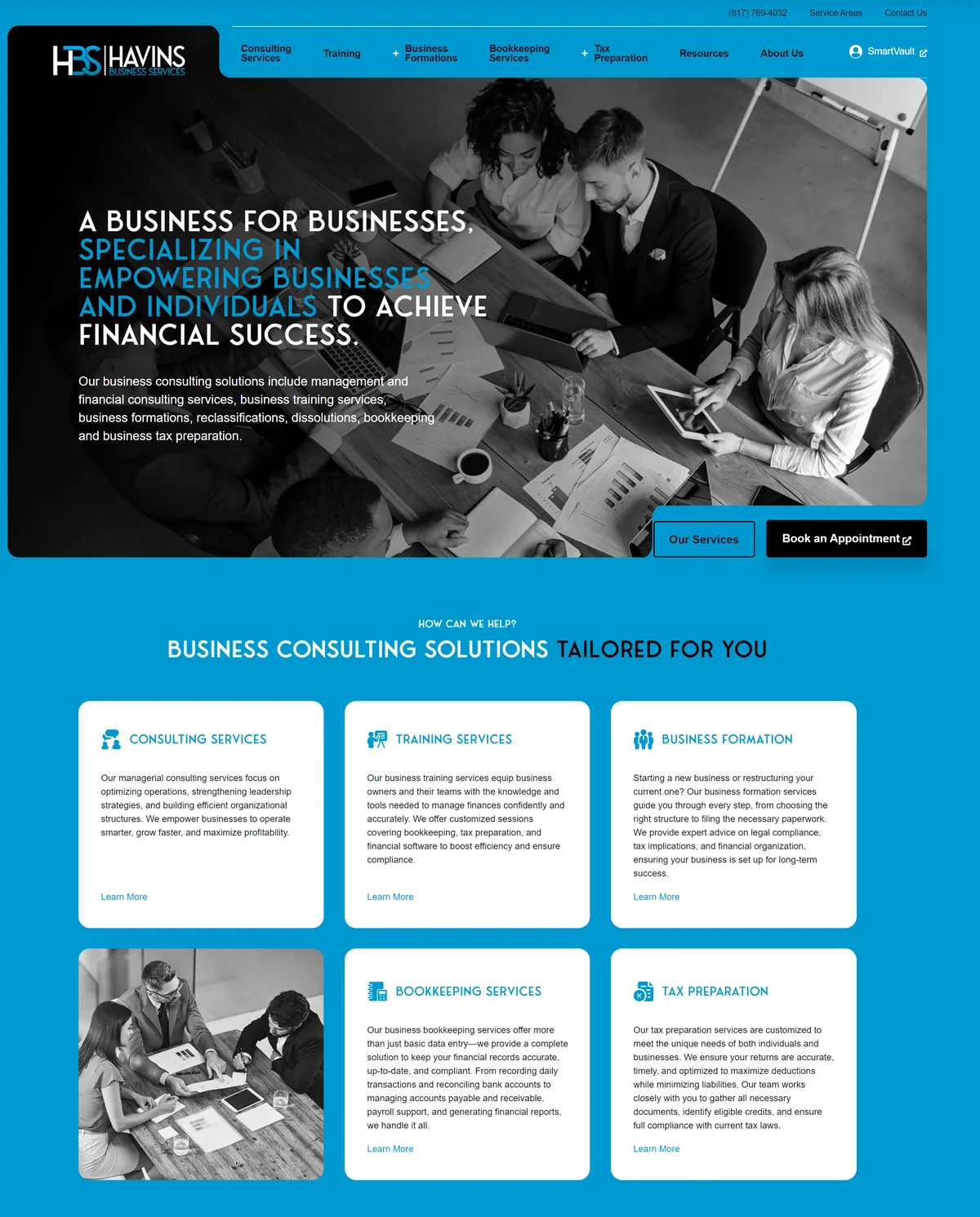
Heart of Texas Lashes were not starting from nothing. They had a studio, a client base, and a booking system that already worked, so this lash salon website was a marketing platform designed to drive traffic to their existing store rather than a replacement for it. Our responsibility was to white-label the site for Dallas SEO Dogs while ensuring the following key deliverables:
Those four points shaped every decision that followed. A beauty site is judged on how it looks within a second or two of loading, and it is far more likely to be opened on a phone than on a desktop, so presentation and speed pull against each other unless the build is kept lean from the start. We compressed the imagery, kept the markup minimal, and held the page weight down rather than relying on caching to disguise it.
The site runs on WordPress with Elementor Theme Builder, which lets the header, footer, and page templates be designed once and reused everywhere, so the look stays consistent as new service pages are added and the salon is never rebuilding a layout by hand. Crocoblock supplied the dynamic pieces, Gravity Forms the contact side, and Yoast SEO the on-page structure, with Google Analytics reporting on what visitors actually did.
The salon manages appointments in Vagaro Salon Software, so rather than building a parallel booking system we integrated the one already in use. Visitors move from reading about a service to booking it without hunting for a phone number, and the salon keeps a single diary instead of two. The finished site is live at heartoftexaslashes.com. The same WordPress and Elementor stack, with a third-party system feeding the front end, sits behind the recruiting agency website we white-labeled for BigDCreative.
We white-labeled this recruiting agency website for BigDCreative. The scope covered the whole front end, from the theme itself through to the live feed of job openings, and it had to hold up for two very different visitors: an employer weighing up a hiring partner, and a candidate looking for their next role.
Our key responsibilities included developing a custom WordPress theme as a child of Hello Elementor, with Elementor Pro and Crocoblock handling layout and dynamic content. A near-empty parent theme keeps the front end light, and it leaves the client with pages they can edit themselves rather than files only a developer can touch. Visually engaging animations were added where they reinforce the reading order, and the structure was SEO-optimized from the start, with Yoast SEO in place and separate pages for diversity recruiting, client services, DE&I consulting, HR consulting, and speaking so that each has a subject of its own to rank for.
The agency runs its pipeline in Loxo, a recruiting CRM and applicant tracking system, so we integrated its job openings into the site via embedded JavaScript. Candidates browse current vacancies and apply without anyone having to copy a role into WordPress by hand, which is the difference between a jobs page that stays current and one that quietly goes stale. Gravity Forms handles inquiries and applications, and Google Analytics reports on what visitors do once they arrive.
Speed was treated as a deliverable rather than an afterthought. We ensured the site loaded in under 2.5 seconds, which on a site that leans on motion means compressing assets properly and keeping the plugin stack disciplined instead of adding weight and hoping caching hides it. Dynamic counter animations bring the headline figures to life as the visitor scrolls, enhancing engagement without costing load time. We took the same approach on the wholesale distributor website we built for the same partner, another Elementor Pro build where structured content and load time mattered more than decoration.
We white labeled this build for Dallas SEO Dogs. Our responsibility was to turn a supplied Figma design into a working theme with Elementor Theme Builder, so that every template on the box truck website, from the home page through to the events archive and the contact page, came out of one design system instead of being rebuilt page by page.
The site runs on WordPress with the Hello Elementor theme, which is a deliberately blank starting point: it carries almost no opinion of its own, so the work done in Elementor Theme Builder is what decides the header, the footer, the page templates and the archive layouts. We rebuilt the client’s Figma file that way, with Elementor Pro and Crocoblock handling the dynamic pieces, Gravity Forms in the stack for form handling, and Yoast SEO and Google Analytics configured on top.
The events calendar needed real structure rather than a page of text. We added a custom post type for events with the matching meta fields, so the client can list an event and let visitors book a place on it, and we put AJAX filtering on the archive so the listing re-sorts without a page reload. The archive still works that way today: the sort control offers title and date, each in both directions, and the results update in place.
We also integrated WooCommerce so the client could sell their books online from the same install, which keeps the shop, the course and the events inside one theme rather than in a separate storefront bolted on beside it.
Box Truck Solutions is online at myboxtrucksolutions.com. We used the same WordPress, Elementor Pro and Crocoblock stack on National Wholesale Supply, a U.S. plumbing and HVAC distributor with close to fifty locations, where the dynamic work was a nearest-warehouse locator rather than an events archive.